Your IP Address
IPv4:
216.73.216.199
IPv6:
Detecting…
Your IP is publicly visible
Your IP address and network details can expose your geographic location and ISP. Protect your privacy with a verified high-trust VPN.
HTTP Request Headers
GET /open-file-explorer-from-cmd/ HTTP/1.0
- Accept: */*
- Accept-Encoding: gzip, br
- Cdn-Loop: cloudflare; loops=1
- Cf-Connecting-Ip: 216.73.216.199
- Cf-Ipcountry: US
- Cf-Ray: a4ab60e82932c20a-FRA
- Cf-Visitor: {\"scheme\":\"https\"}
- Connection: close
- Host: locall.host
- User-Agent: Mozilla/5.0 AppleWebKit/537.36 (KHTML, like Gecko; compatible; ClaudeBot/1.0; [email protected])
- X-Forwarded-For: 216.73.216.199, 172.71.164.79
- X-Forwarded-Host: locall.host
- X-Forwarded-Proto: https
- X-Real-Ip: 172.71.164.79
Connection Details
- Location: —
- ISP: —
- Hostname: —
- OS: —
- Browser: —
- Proxy: —
- Anonymizer: —
- Blacklist: —
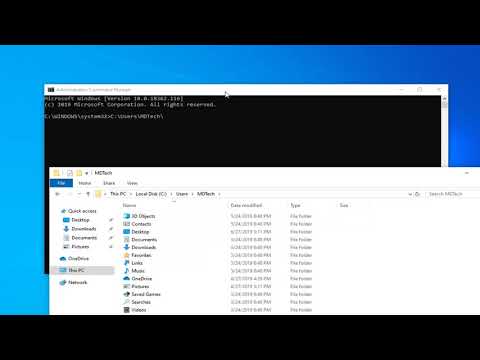
In Windows, use the start command followed by the path to File Explorer to open File Explorer from the Command Prompt. Here’s how to go about it:
Press the Windows key + R, type “cmd” in the Run dialog box, and hit Enter to launch Command Prompt.
Enter the following command after typing it:
start ExplorerThis will launch File Explorer in its default mode, which is normally the Quick Access window.
If you wish to open File Explorer in a specific folder, add the path after the start command. To open File Explorer at the “Documents” folder, for example, type:
start explorer C:\Users\YourUsername\Remember to substitute “YourUsername” for your actual username.